TL;DR
- Moreton Island sits just off Brisbane in Moreton Bay and is one of Queensland’s best destinations for wildlife spotting
- You can see dolphin feeding, migrating humpback whales, marine life, birdlife and native animals in one trip
- Key wildlife areas include Blue Lagoon, Cape Moreton, Hills Lookout, Five Hills and the Tangalooma Wrecks
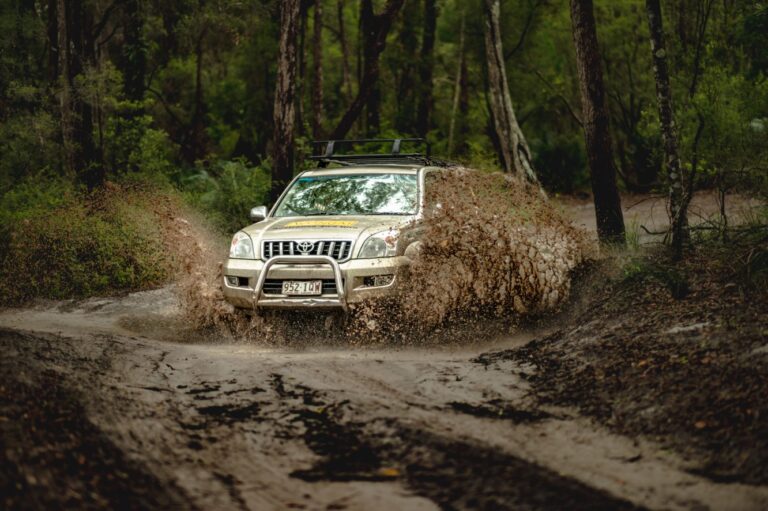
- With soft sand, beach driving and inland tracks, most visitors choose to rent a 4WD on Moreton Island for safe access
- Travelling at your own pace makes it easier to enjoy wildlife respectfully, especially for families and couples
Moreton Island – also known as Mulgumpin – is one of those rare places where adventure and nature sit side by side. Just a short ferry ride from Brisbane, the island feels worlds away, with wild beaches, inland lakes, towering sand dunes and an incredible variety of wildlife.
If you’re planning a trip and wondering what to do on Moreton Island, wildlife spotting is one of the most rewarding experiences. From dolphins and whales to bird watching and bushland encounters, knowing where to go – and how to get there – makes all the difference.
Where is Moreton Island and why it’s great for wildlife
Moreton Island is located around 40 kilometres off the coast of Brisbane, between the Sunshine Coast and the Gold Coast. It’s the third-largest sand island in the world and is largely protected as a national park.
What makes the island so special for wildlife is its variety of environments:
- Calm western beaches and exposed eastern coastlines
- Inland tracks through bushland and wetlands
- Freshwater lakes and creeks
- Offshore reefs and shipwrecks
This mix of habitats supports a wide range of species, making the island ideal for wildlife spotting year-round.
How to get to Moreton Island and plan your trip
There’s no bridge or sealed road to Moreton Island – access is by ferry from the Port of Brisbane. Travellers can choose between a passenger ferry or a vehicle barge, such as the Micat ferry, depending on whether they’re bringing a vehicle.
Because the island has limited sealed roads and extensive soft sand, standard car hire vehicles aren’t suitable. Most visitors either bring their own vehicle or rent a 4WD on Moreton Island before arriving to ensure they can access beaches and inland tracks safely.
You’ll also need:
- A vehicle permit for beach driving
- Awareness of high tide and low tide times
- Basic sand driving knowledge
Planning these details ahead of time helps ensure a smooth and stress-free arrival.
Rent a 4WD Moreton Island for beach driving and inland access
Beach driving is one of the defining features of Moreton Island. The eastern beach acts as the island’s main “road”, while inland tracks like Middle Road connect key destinations.
With soft sand, changing tides and limited sealed roads, most visitors choose to rent a 4WD on Moreton Island rather than rely on standard vehicles, allowing them to explore beaches and inland tracks safely and at their own pace.
Expect:
- Long stretches of soft sand
- Tidal changes that affect access
- Wildlife crossing beaches and tracks
This is why so many travellers choose to rent a 4WD on Moreton Island rather than rely on unsuitable vehicles. A proper island-ready vehicle allows you to explore safely, reduce speed near wildlife and access areas that would otherwise be unreachable.
Dolphin feeding and marine life around Tangalooma
Tangalooma Island Resort is famous for its nightly dolphin feeding experience, where wild bottlenose dolphins visit the shoreline under controlled conditions. It’s one of the most memorable wildlife moments on the island, particularly for families.
Beyond the resort, marine life is visible all around the island:
- Dolphins cruising along the western beach
- Rays gliding through shallow water
- Tropical fish near rocky outcrops
Snorkelling at the Tangalooma Wrecks offers a close-up look at colourful fish and marine ecosystems in calm, protected waters.
Whale watching near Cape Moreton and the northern headlands
Between June and October, migrating whales pass close to the island as they travel between Antarctica and warmer waters near Hervey Bay.
Cape Moreton is one of the best land-based whale watching locations in South-East Queensland. Lookouts around the northern end of the island provide elevated views where breaching whales can often be seen offshore.
You may spot:
- Humpback whales
- Calves travelling with mothers
- Occasional tail slaps and breaches
Bring binoculars and allow time – wildlife sightings often reward patience.
Bird watching across beaches, bushland and inland tracks
Bird watching is surprisingly diverse on Moreton Island, with coastal, bush and wetland species all present.
Common sightings include:
- Sea eagles soaring above the coast
- Shorebirds feeding along tidal flats
- Forest birds along inland tracks and heathland
Early mornings and late afternoons are the best times for bird watching, when activity is highest and temperatures are cooler.
Blue Lagoon and freshwater wildlife hotspots
Blue Lagoon is one of the island’s most popular inland destinations. Blue Lagoon is located just off Middle Road, surrounded by bushland that supports birds, frogs and small wildlife.
Other freshwater areas, including Spitfire Creek, also attract birdlife and provide peaceful spots to slow down and observe nature away from the beaches.
Hills Lookout, Five Hills and elevated viewpoints
Lookouts like Hills Lookout and Five Hills offer sweeping views over the island’s interior and coastline. These elevated areas are ideal for:
- Spotting birds in flight
- Watching the weather roll across the island
- Quiet wildlife observation at sunrise or sunset
They’re also great places to pause and appreciate how much of the island remains seemingly untouched.
Camping zones and quiet wildlife encounters
Moreton Island offers a range of camping zones, from beachfront sites to inland areas near bushland and lakes. Camping increases your chances of seeing wildlife during early morning and dusk – when animals are most active.
Whether you’re staying near the southern tip, the west side or inland recreation areas, always store food securely and respect wildlife boundaries.
Exploring at your own pace with 4WD hire
One of the biggest advantages of exploring Moreton Island with a suitable vehicle is flexibility. Wildlife doesn’t run on a schedule, and travelling at your own pace means you can:
- Stop safely when animals appear
- Adjust plans around tides and conditions
- Avoid peak times and crowded areas
For many visitors, choosing 4WD hire is what turns a good trip into an amazing experience.
A perfect place for wildlife lovers
Moreton Island is a rare destination where wildlife encounters feel natural, unforced and accessible. From dolphin feeding and snorkelling to whale watching and bird spotting, the island offers something for every type of traveller.
With thoughtful planning, respect for the environment and the right vehicle, exploring Moreton Island becomes more than a holiday – it becomes a meaningful connection with one of Queensland’s most remarkable natural spaces.